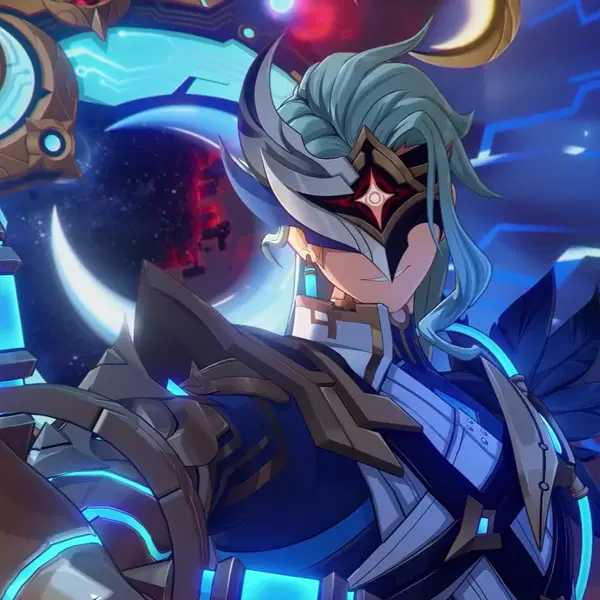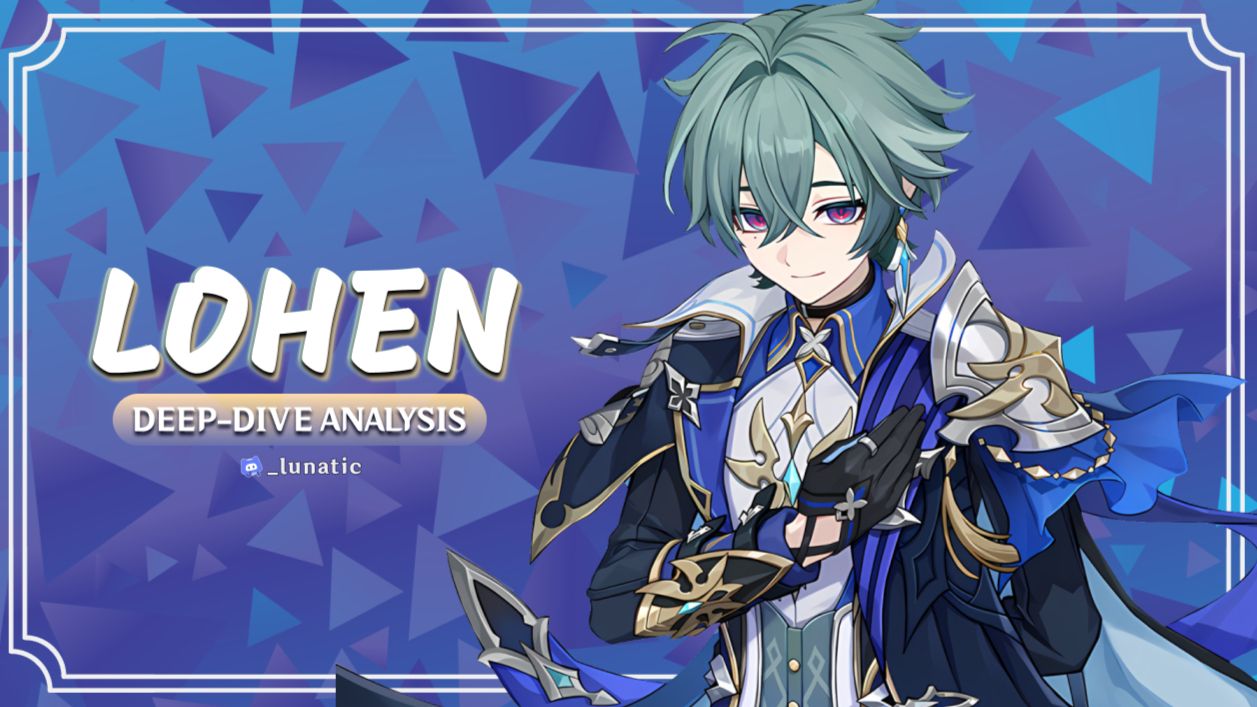
Mondstadt is the City of Freedom. It is a place of dandelion wine, bard songs, and knights sworn to honor. So why does Lohen look less like Jean and more like a Fatui Harbinger?
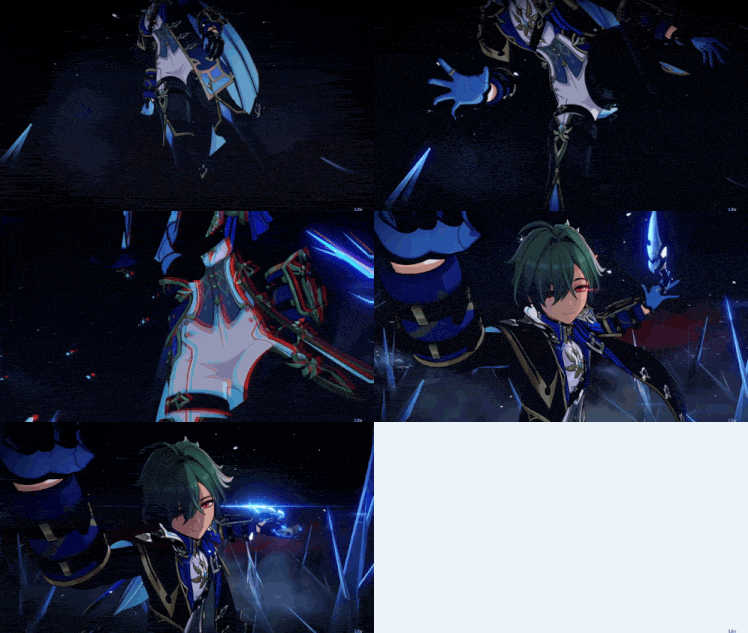
When Lohen was first introduced in Varka's story quest, many players found him quietly jarring. He wore the uniform of the Knights of Favonius. He followed the Grand Master on his campaign to Nod-Krai. But something in him seems… unusual.
This article is about Lohen — the most provocative character of Mondstadt.

What Mondstadt Actually Stands For
To fully understand why Lohen feels so dissonant, we first need to remember what Mondstadt represents as a region. More than any other nation in Genshin Impact, Mondstadt is built on ideals.
Vennessa founded the Knights of Favonius on principles of liberation. Barbatos, the Anemo Archon, is famously the god of freedom — absent, trusting, unwilling to control. Even the architecture of Mondstadt shows friendliness: its gates are always welcoming, its people unguarded.
The knights who protect this city are expected to reflect that spirit. Jean carries the weight of duty with earnest devotion. Kaeya uses cunning, yes, but keeps it wrapped in theater and charm. Diluc operates outside the Knights precisely because he believes their methods have limits. The entire ecosystem of Mondstadt characters revolves around the tension between ideals and reality, but always with the ideals kept visible and sacred.
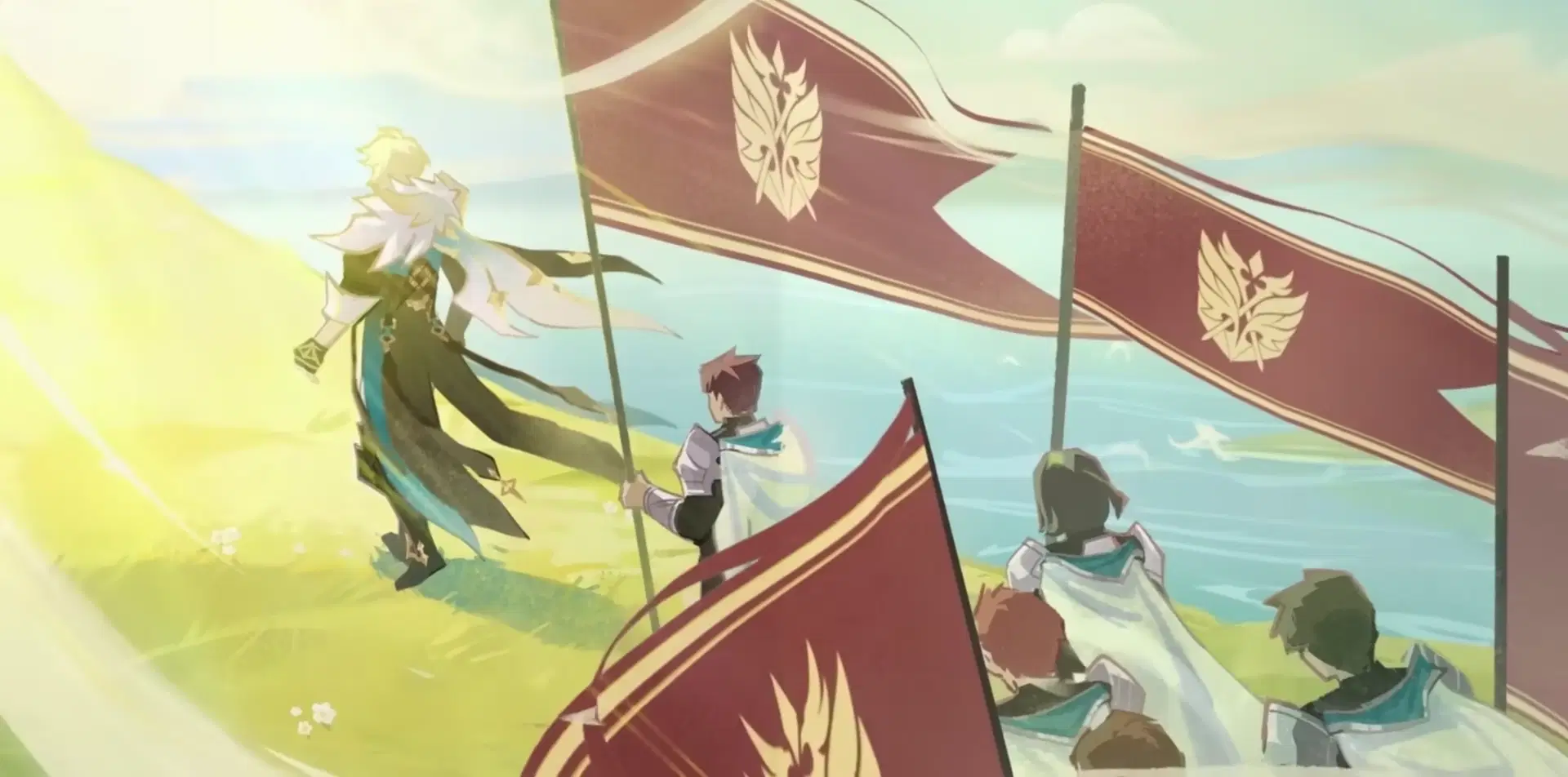
And there's Lohen. He carries no visible ideals, no romantic attachment to honor, no belief in the cause he fights for. Where his peers define themselves by what they stand for, Lohen is defined entirely by what he does, and how well he does it. He is, in almost every meaningful sense, the wrong kind of knight in the right kind of uniform.
Which raises an obvious question: why is he there at all?
Why Does Lohen Work for the Knights at All?
Varka's description of Lohen is telling: he fights because he likes it, not because he's searching for glory or honor. This isn't a warrior driven by ideology. He is not protecting freedom and he is not upholding Barbatos's legacy. He simply finds combat deeply satisfying and the Knights of Favonius happen to give him sanctioned opportunities to engage in it.
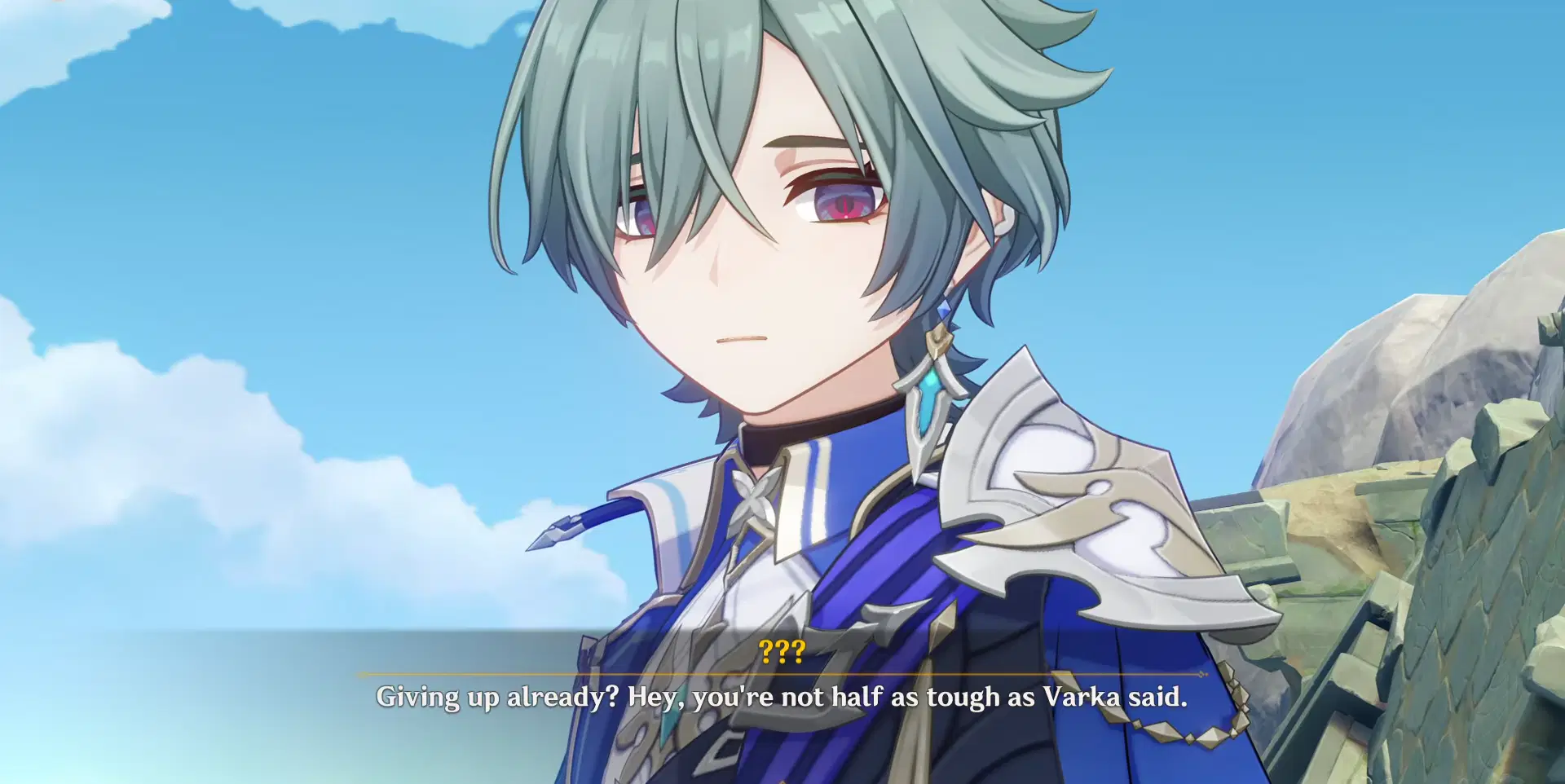
In a sense, Lohen is a mercenary wearing a knight's insignia. His loyalty to the organization is real, but it's the loyalty of a craftsman to a good employer, not the loyalty of a believer to a cause. This makes him uniquely dangerous and uniquely effective: he will never hesitate out of principle, and he will never sacrifice performance for appearances.
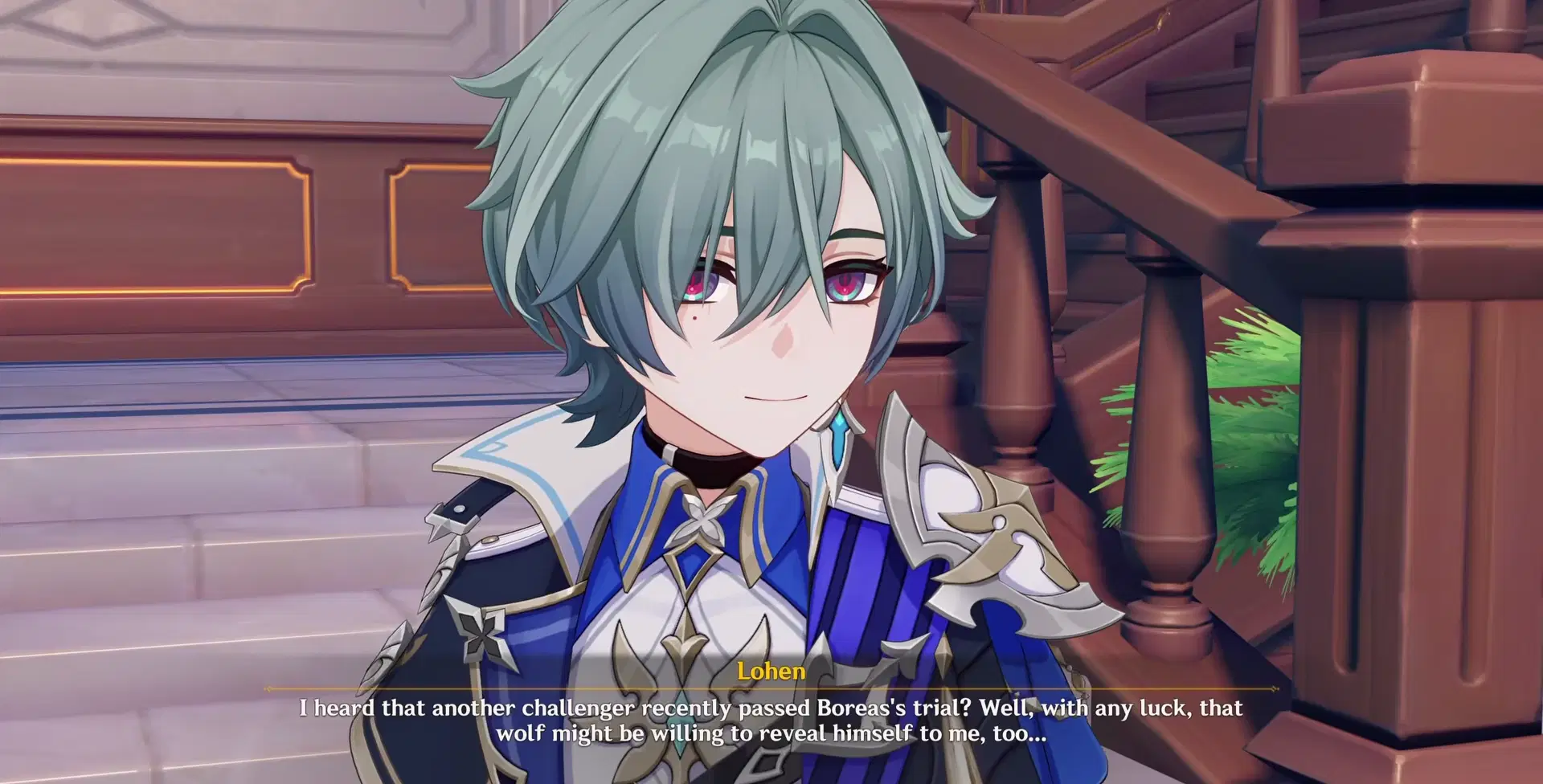
"...I am well aware of your decision and the misgivings of our many colleagues. Having such a knight join the expedition would indeed cover various shortcomings our force suffers from. The only question is: How am I supposed to keep an eye on both of you at the same time?"
— From Seamus Pegg's reply to Varka on the expedition's eve
A Knight Who Fights Like a Spy
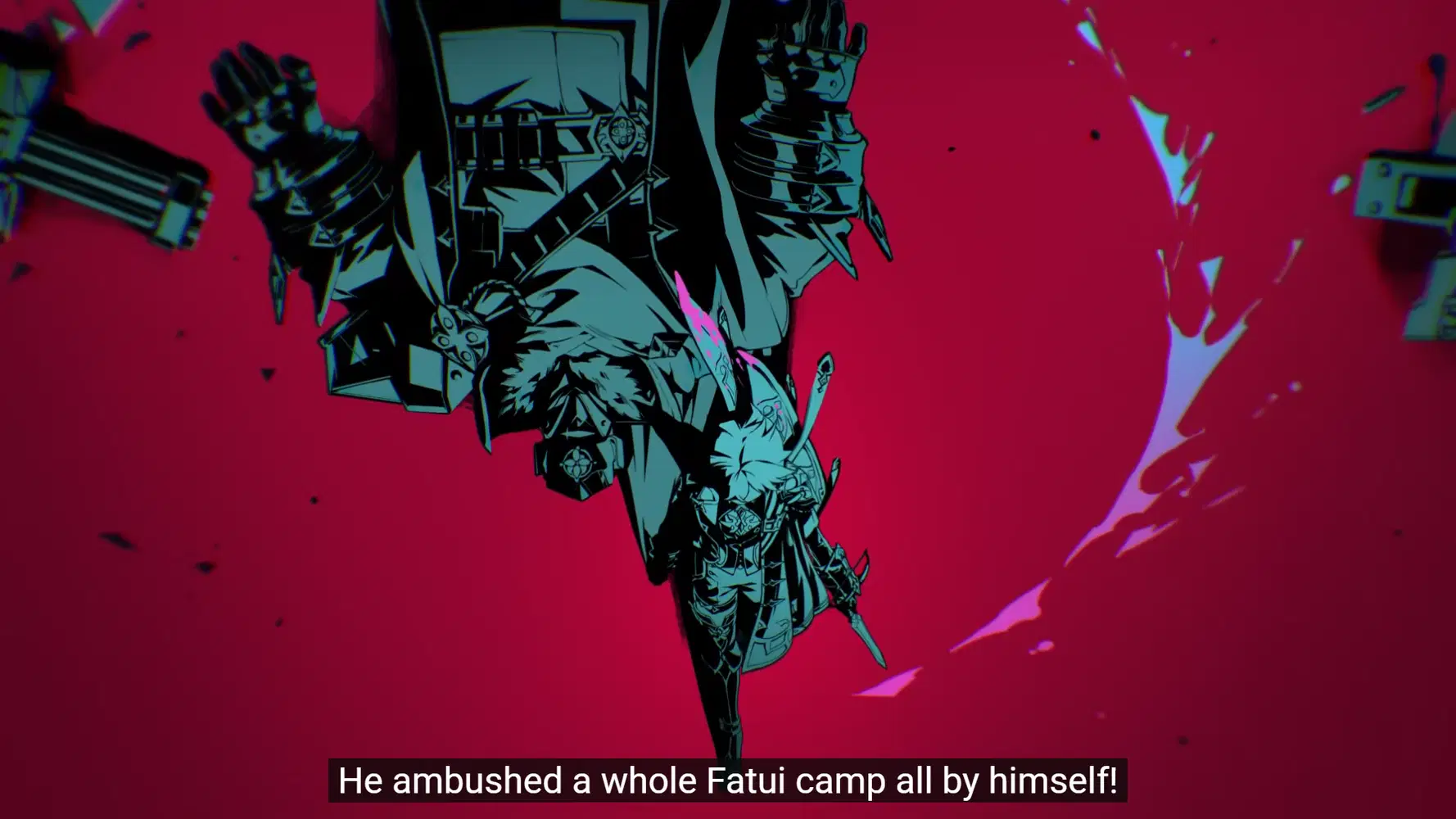
We discover early that Lohen places efficiency above all else. Ambushes, poison, surprise attacks, infiltration — so long as they secure victory, he makes full use of them all. For a character from Mondstadt this is a striking position to hold.
But the most revealing detail about Lohen isn't that he uses unconventional tactics but that he performs so naturally. Poison and ambushes are simply options on a menu, selected for their effectiveness the same way a carpenter picks between a hammer and a chisel.
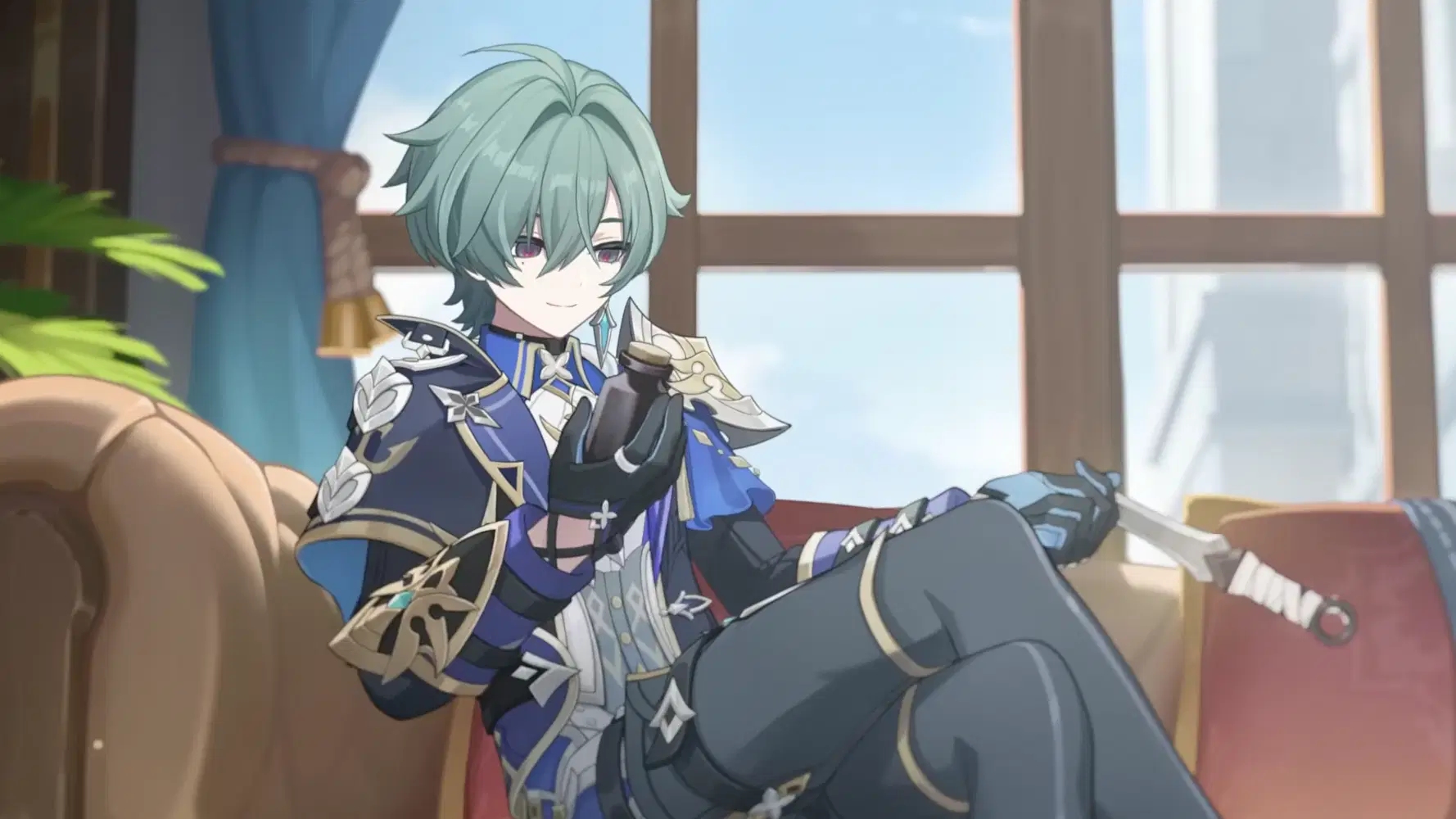
This is what makes him so unusual in the context of Mondstadt. His peers might bend the rules when circumstances demand it. Lohen doesn't bend rules, he doesn't recognize them. To him, the "code of honor" that Mondstadt knights operate by isn't a moral framework. It's an aesthetic preference, and an inefficient one at that.
Which brings us to the obvious comparison. The Fatui are defined by exactly this philosophy: ends justify means, sentiment is a weakness, the mission supersedes the method. When we meet Lohen, we are encountering a character who would fit naturally within Snezhnaya's intelligence apparatus, yet he wears the crest of Favonius without apparent contradiction. The difference is loyalty: unlike most Fatui, Lohen is genuinely committed to his employer.
The Question No One in Mondstadt Is Asking
Here is what makes Lohen such a compelling character to think about: nobody seems particularly alarmed by him. Varka respects him. His company follows him. He is described as someone whose impression lingers — a fast shadow, dangerous, impossible to evade. The tone around him is admiration, not unease.
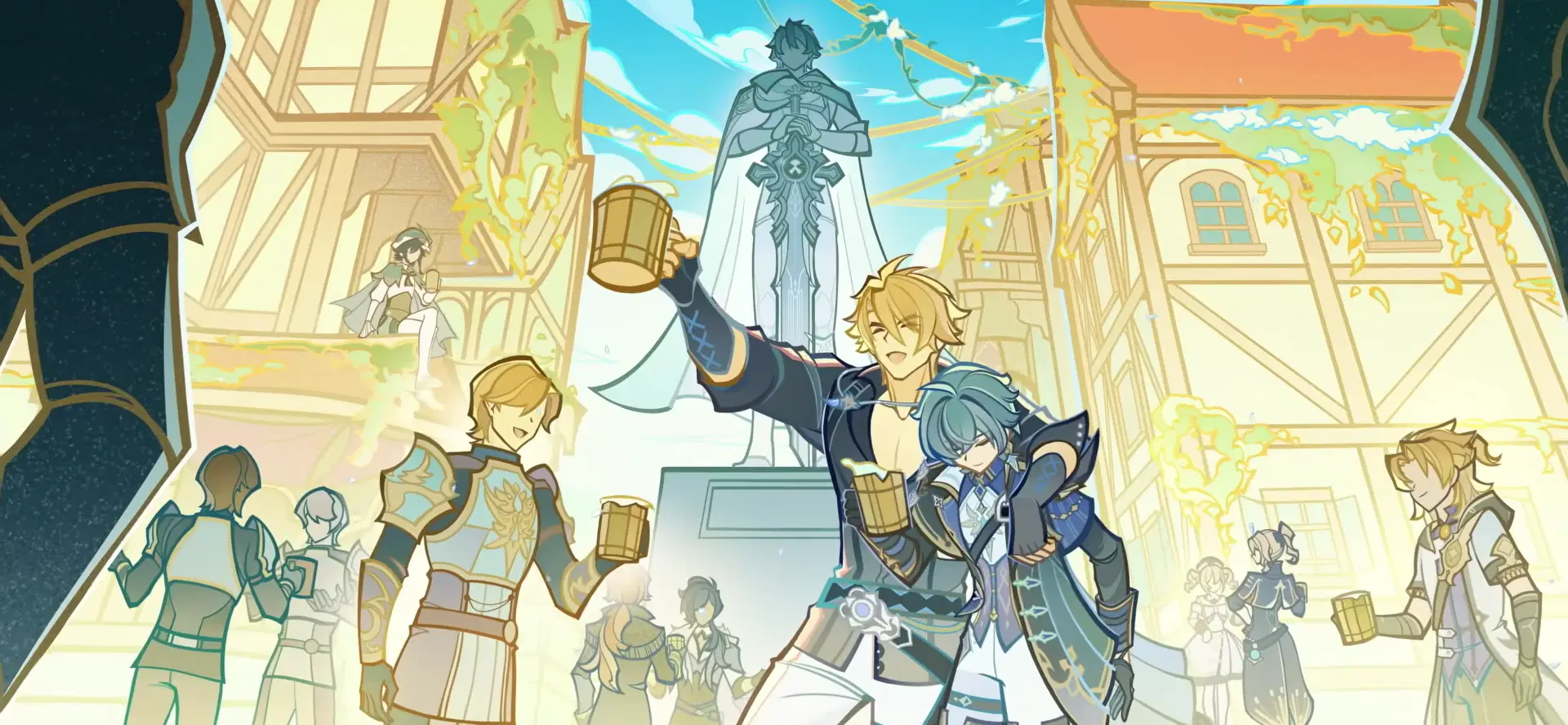
And perhaps that's the most telling thing of all. Mondstadt, for all its idealism, keeps producing and rewarding Lohen — soldiers who do what needs to be done, without asking whether it should be done that way.
The city's freedom rests on hands that aren't always clean. The dandelion wine is poured by people who never think too hard about who defended the walls, or how.
The Knights of Favonius, whether they know it or not, have built an institution that produced exactly the soldier they claim not to want. The irony is sharp: in a nation that prizes freedom, honor, and open-hearted valor, their most capable operative is a man who has quietly discarded all of those values in favor of raw efficiency.
Lohen is not a villain and he is not an infiltrator either. He is not secretly working against Mondstadt (as far as we know). He is simply an honest reflection of what "victory" actually requires and the discomfort he creates comes from how clearly he holds up that mirror.
A Final Thought
The most subversive thing about Lohen isn't his tactics. It's that he is a genuinely good soldier by every metric that matters to the institution he serves. He always wins and he always comes back. In a world with actual threats — the Fatui, the Abyss, the Wild Hunt — someone like Lohen is not just useful but necessary.

That's the real antithesis. Not that Lohen contradicts Mondstadt's values but that Mondstadt's survival might depend on someone who has abandoned them.
Thanks for reading all the way through. It genuinely means a lot  If you enjoy this kind of analysis, I write about other Genshin characters too. There's more in this collection