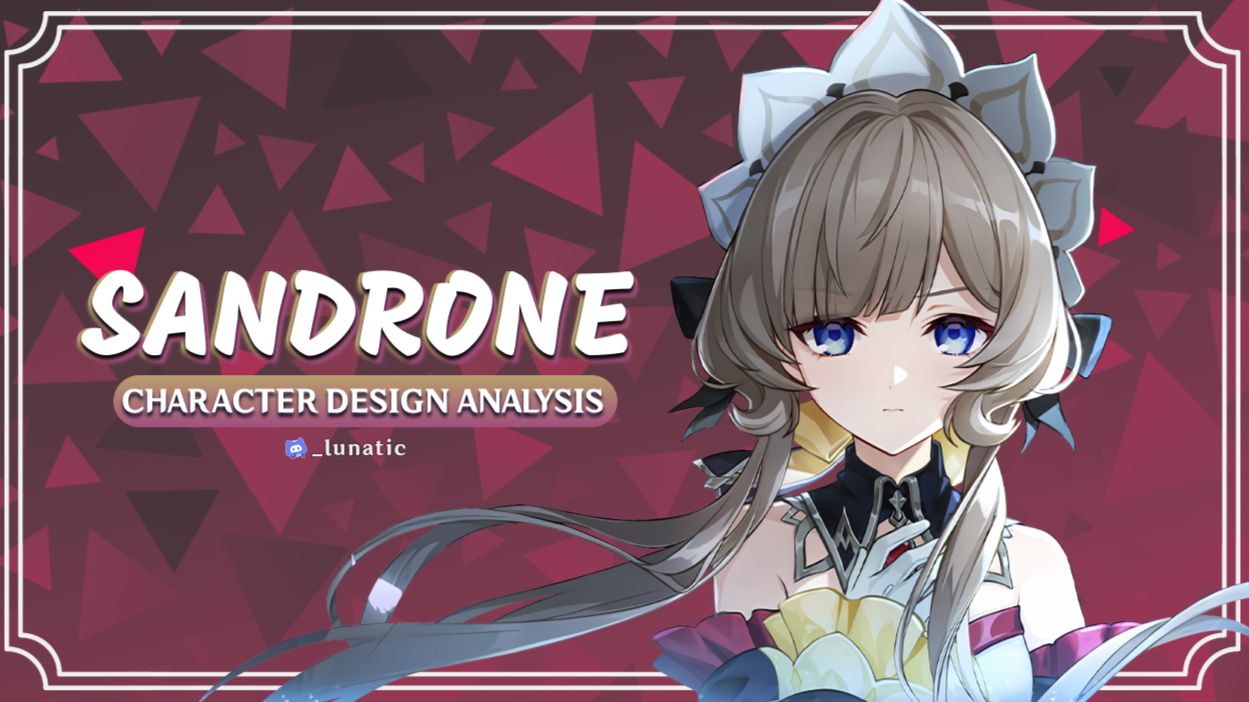
You don't need to be an expert to notice that Sandrone doesn't dress like anyone else in Fontaine. Every other character in this nation wears its fashion forward: sharp tailoring and modern cuts. But Sandrone, the Seventh of the Fatui Harbingers, looks like she stepped out of a different century entirely. Do you want to know why?
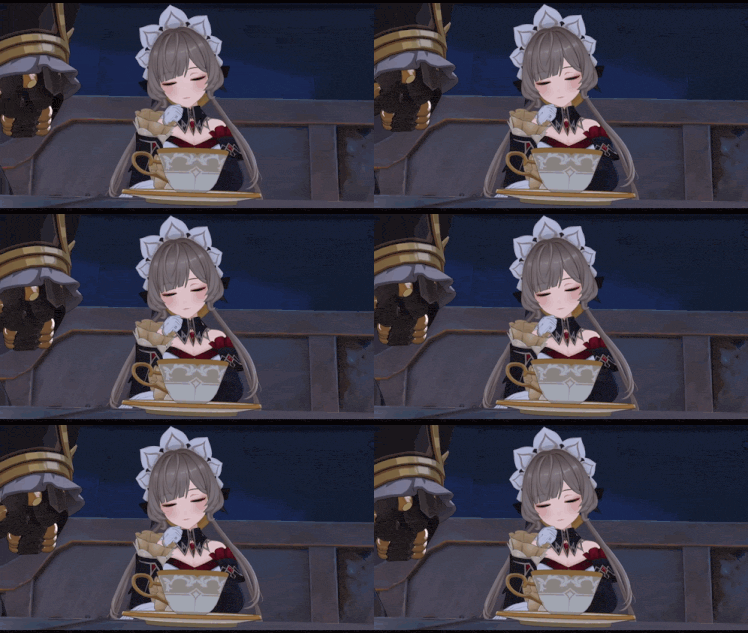
This article is about Sandrone and interesting details that can be found in her design.

The Dress
Fontaine's aesthetic borrows heavily from Belle Époque Paris — a period of French and European history that began in 1871 and continued until the World War I. This time is considered as France's golden stretch of optimism, art, and progress. Women's fashion of the period included ornate hats, lace blouses, straight falling skirts.
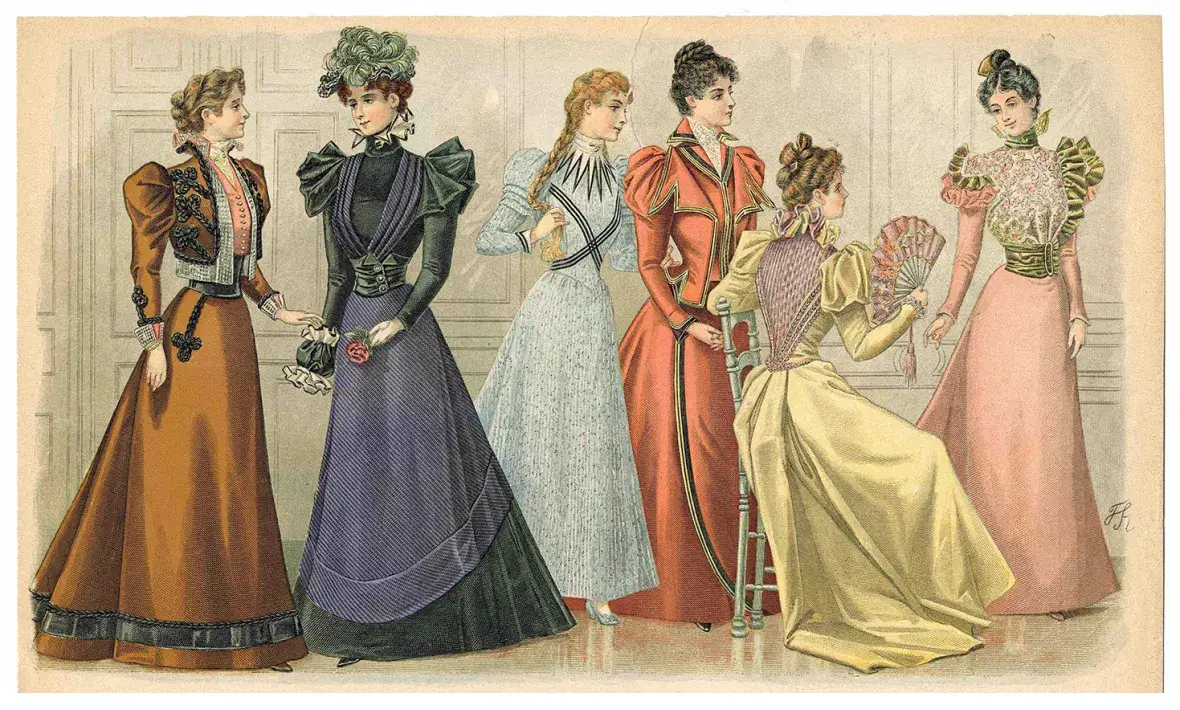
Women's fashion of the Belle Époque Paris.
And look careful: Sandrone's dress sits squarely to the description: full skirt, high collar, structured corset. That makes her look old-fashioned next to characters like Navia or Lyney, who belong to the current side of Fontaine style. But Sandrone still wears the historical type of fashion.
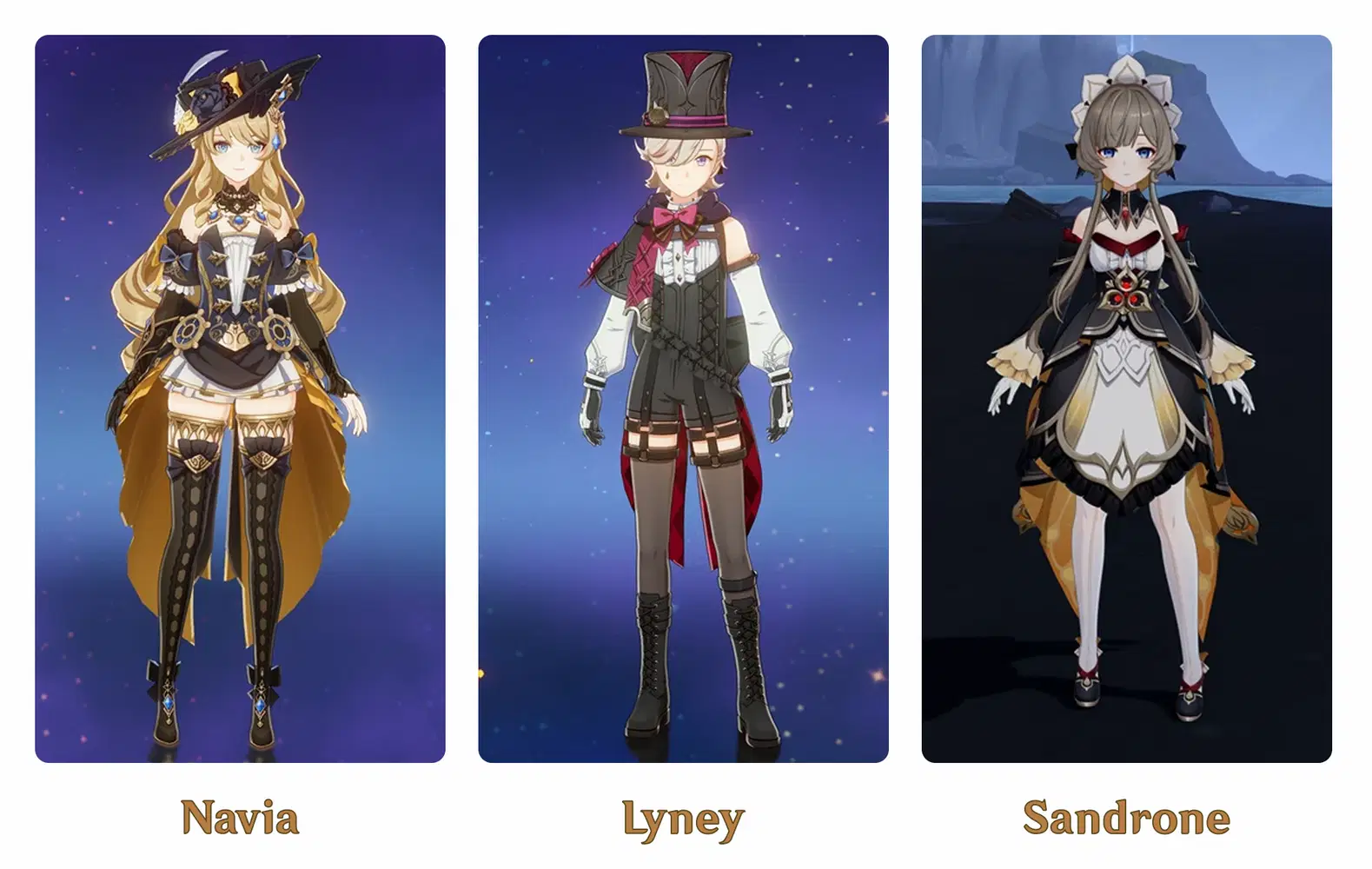
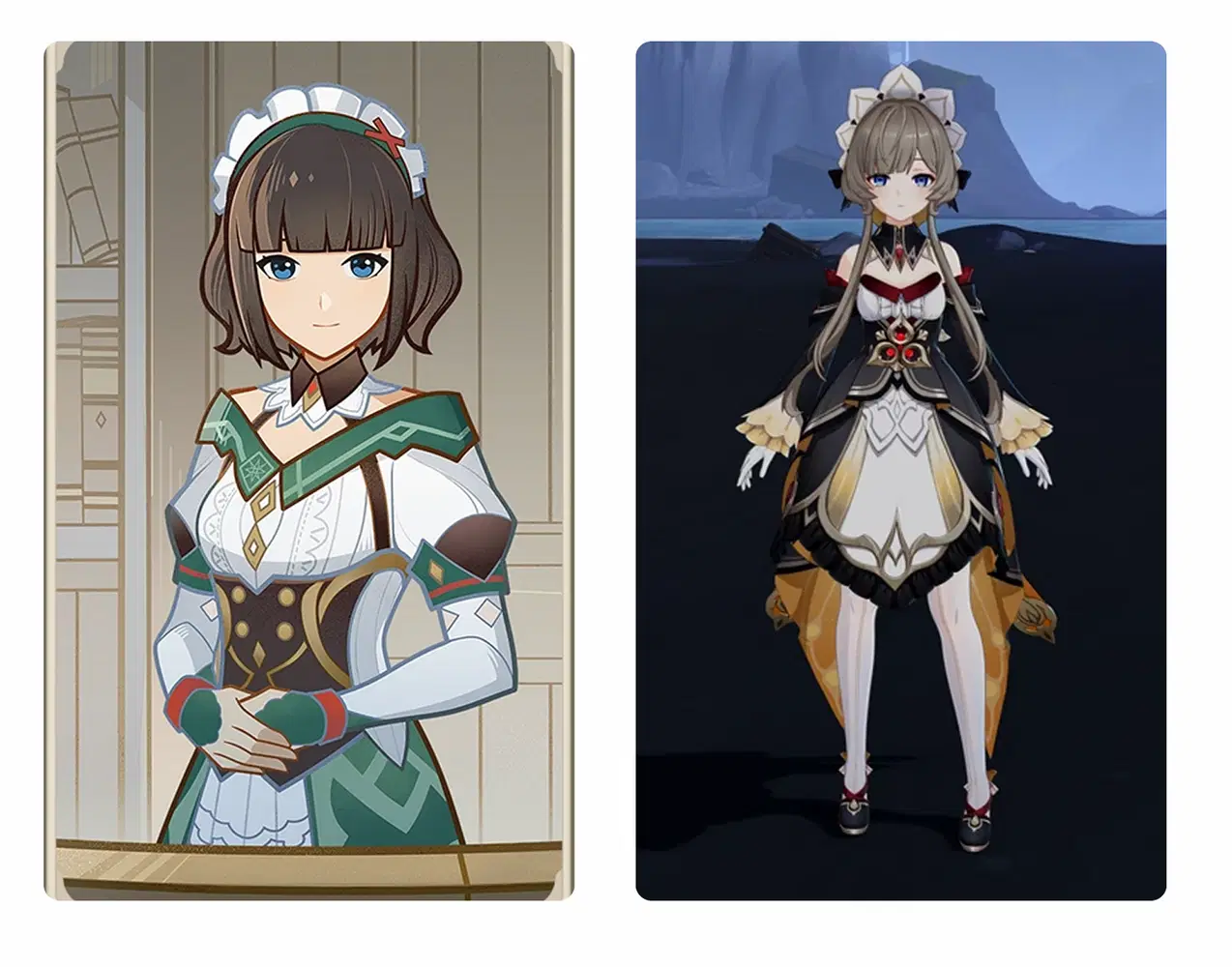
Sandrone's outfit is a reference to the traditional costume worn by Pulonia in the commedia dell'arte. Character Pulonia (in the commedia — a woman) was married to Sandrone (in the commedia — a man). Pulonia typically was dressed in a long gown, white apron, and laced bonnet. So the "old-fashioned" silhouette is a costume pulled from theater tradition, the same source material behind every Harbinger alias.
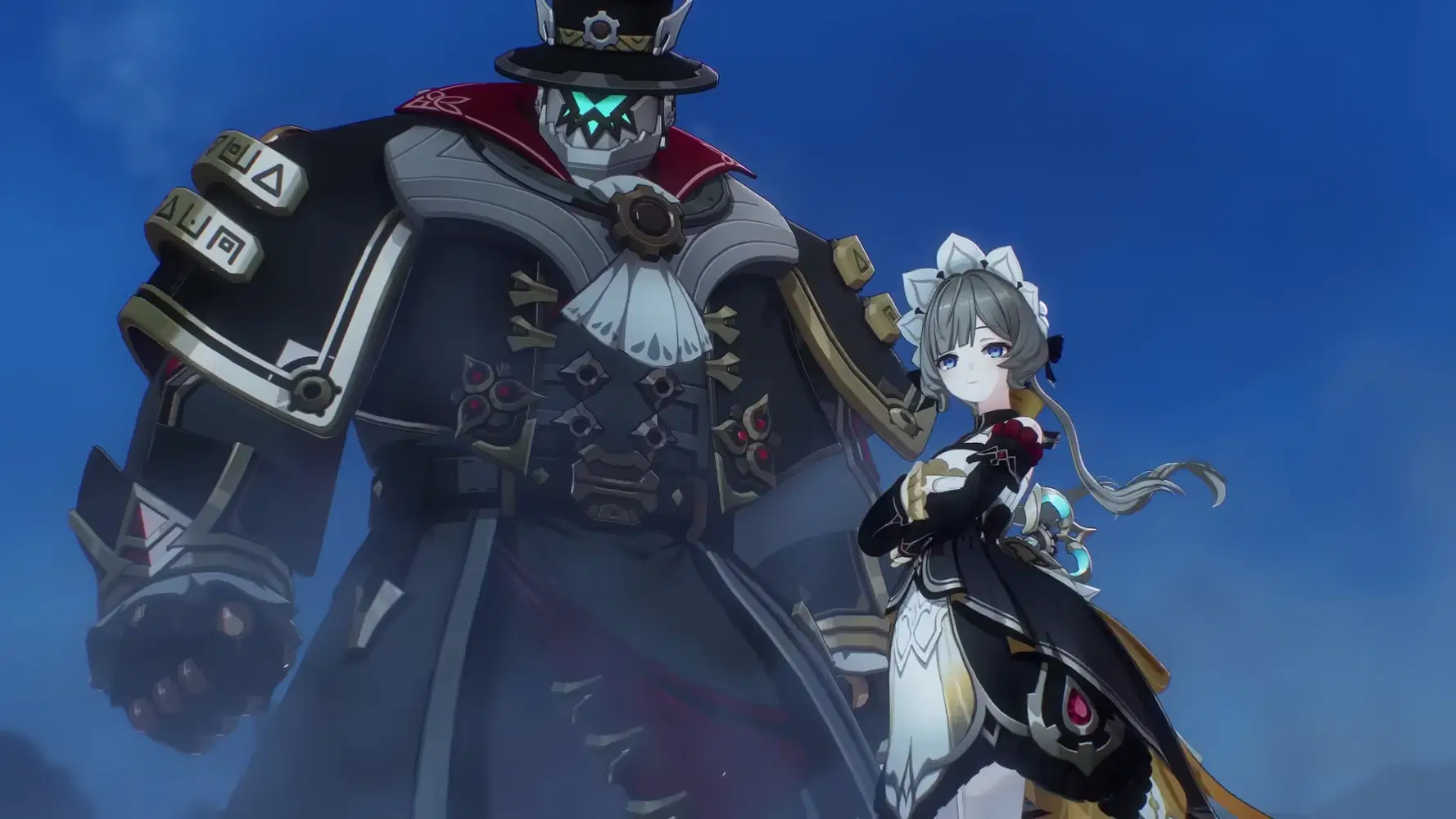
Sandrone and Pulonia in the game.

The Lace
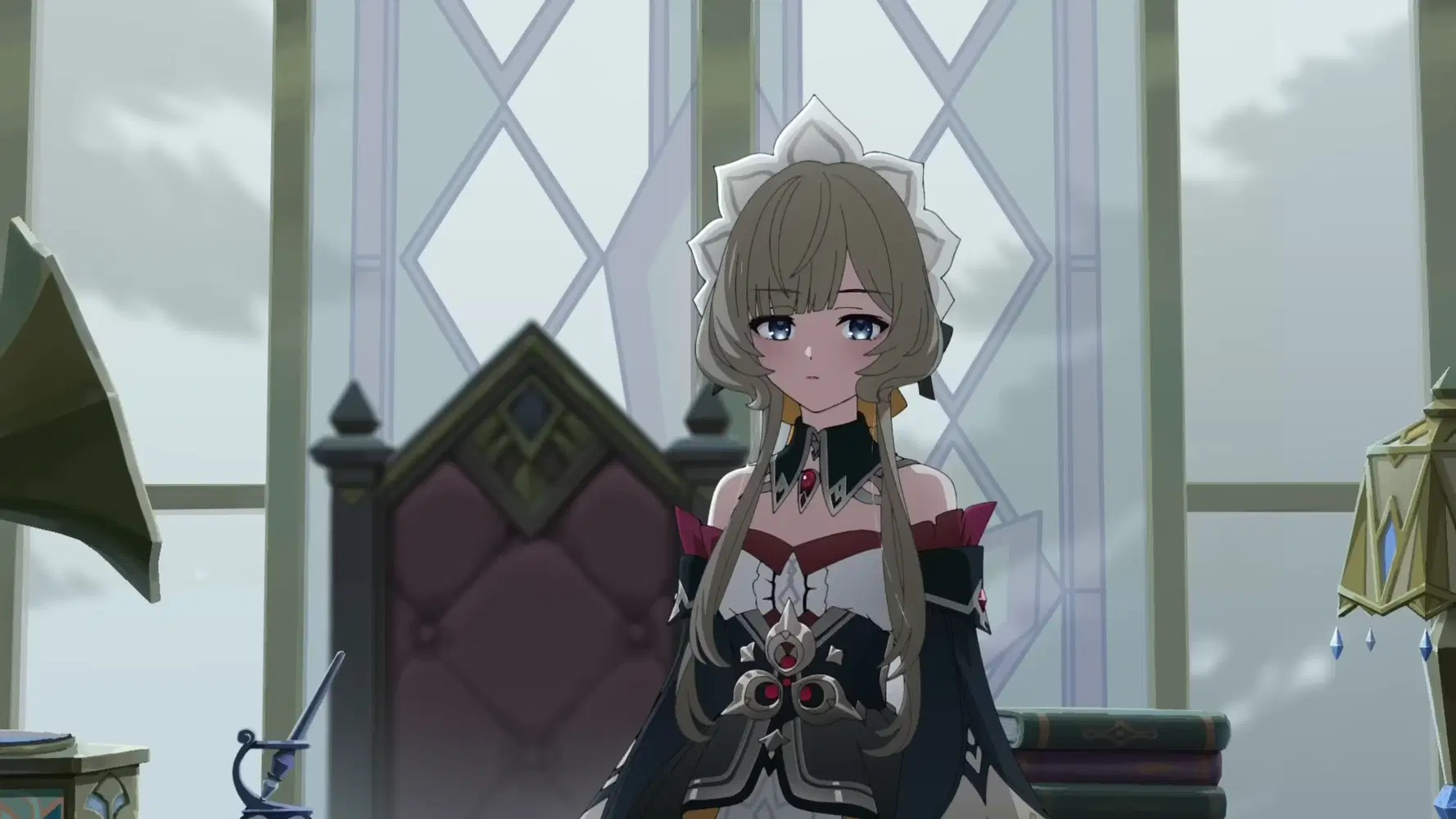
If the dress is Sandrone's costume, the lace is her signature. Let's start with the obvious reference: Pulonia's traditional bonnet is white and laced. Sandrone's bonnet is laced too but has red parts. They have the same garment, same trim, and one deliberate change. That's probably not a coincidence.
There's one more point. Old French fashion dolls were almost never sold or displayed without lace somewhere on them: at the collar, the cuffs, the bonnet. It wasn't a fashion choice so much as a finishing touch, the equivalent of a manufacturer's stamp. A doll without lace looked unfinished. But a doll with lace looked complete, dressed, ready to be presented to whoever was buying her.
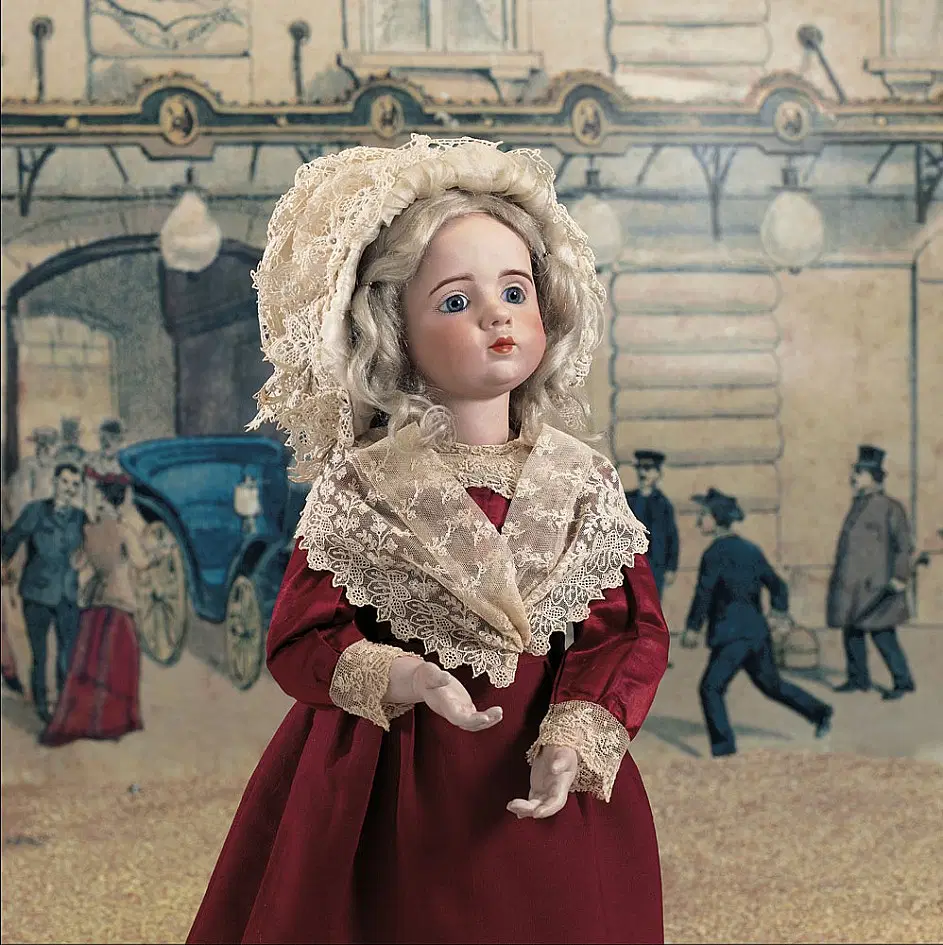
The example of a French doll and its costume.
Put those two things side by side, and Sandrone's lace stops looking decorative. It starts looking like proof that she's a costume reference to Pulonia. Proof that she's a finished doll, the way 19th-century dolls were made and designed. If you've read into her lore already, you know exactly what that "finished doll" detail is really pointing at — Sandrone was built by Alain Guillotin. The lace isn't just trim but the last stitch on someone else's creation.
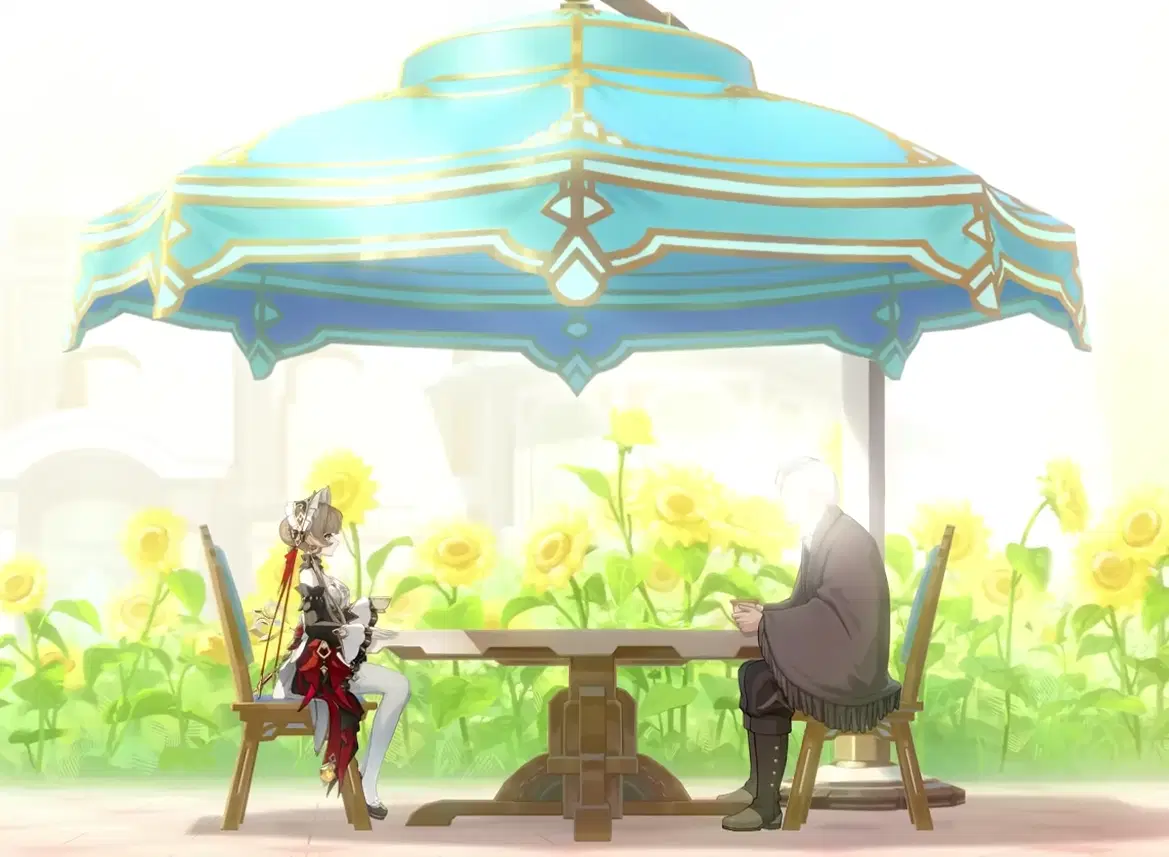
Sandrone and Alain
The Hairstyle
Look at Sandrone's face for more than a second and something clicks that's easy to miss on a first glance: she resembles Lumine. Soft features, light eyes, two strands of hair framing the face on either side. Of course, it's not a perfect match, but it's close enough to be unsettling once you notice it. Sandrone doesn't just look like a person from another century, she looks like a familiar face.

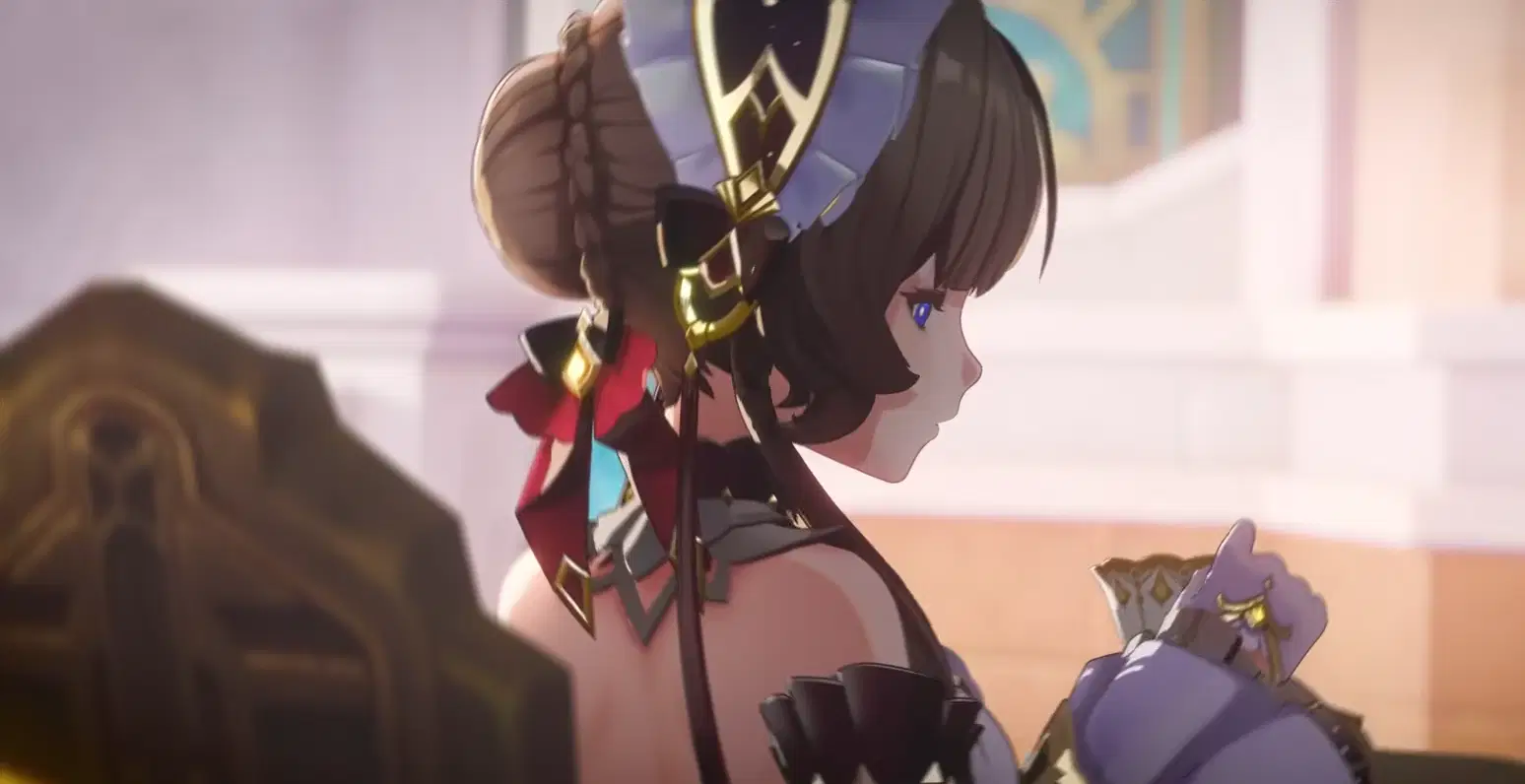
Look at the hairstyle itself. A braided bun, with those same two strands left loose at the front. Braided buns belong to a very specific category of historical styling: practical, formal, built to hold for an entire day rather than a single portrait. It's not romantic, loose, of-the-moment hair. It's hair that was built to survive scrutiny — the same job her dress and lace are doing.
Easter Eggs Worth Knowing
A few details that connect Sandrone's design to the rest of Teyvat — easy to miss on a first look:
- She dresses like her own invention. Sandrone's clothing closely resembles Katheryne's; and lore confirms Sandrone is the one who created the Katherynes in the first place. Her sense of style is frozen at the exact moment she designed her own oldest creation. The "old-fashioned" Harbinger dresses like the receptionist automaton she built.
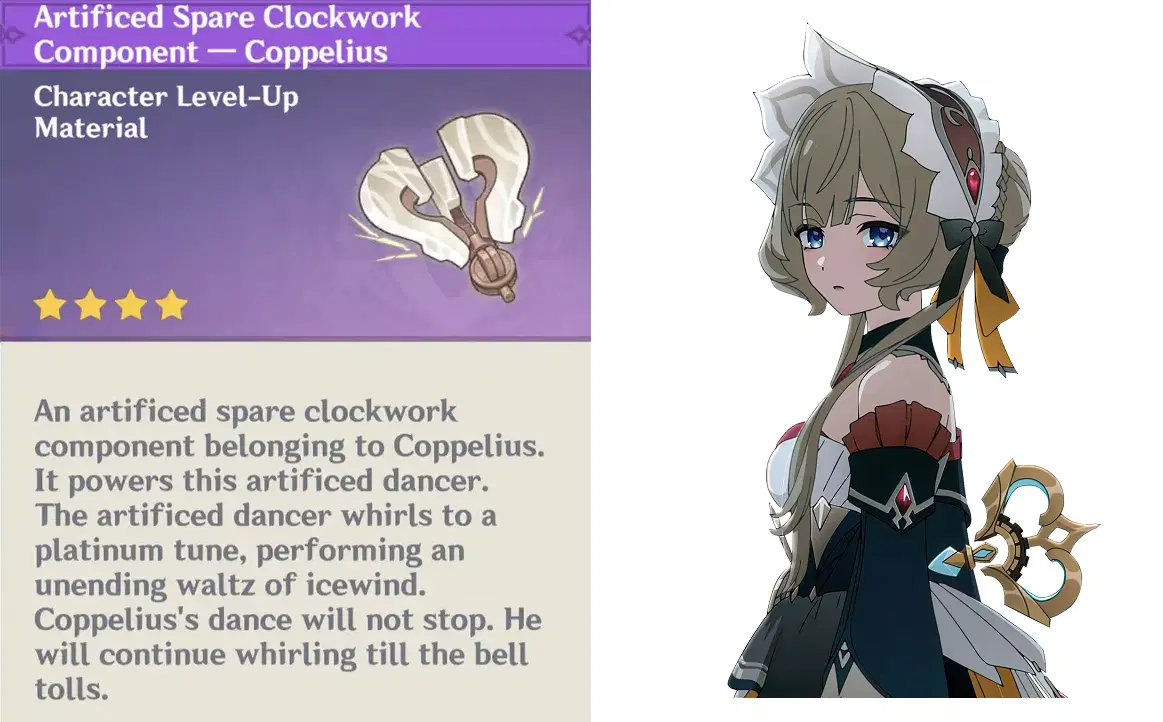
- Her key has a relative. The clockwork key embedded in Sandrone's back visually matches the key dropped by Coppelia and Coppelius — the mechanical dancers from the Icewind Suite, built by the Fontaine inventor Maillardet. It's a quiet thread tying her design back to Fontaine's deeper history of clockwork dolls, long before automatons became commonplace.
So Why Does She Look Old-Fashioned?
That's because Sandrone isn't supposed to look current. She's supposed to look preserved. Every piece of Sandrone's design points back to the same idea. The dress quotes a theater costume from a tradition centuries old. The lace marks her as a finished doll. The silhouette was invented to display clothing for people who couldn't wear it themselves anymore. The hairstyle is built to hold, not to impress. Even her face belongs to someone else.
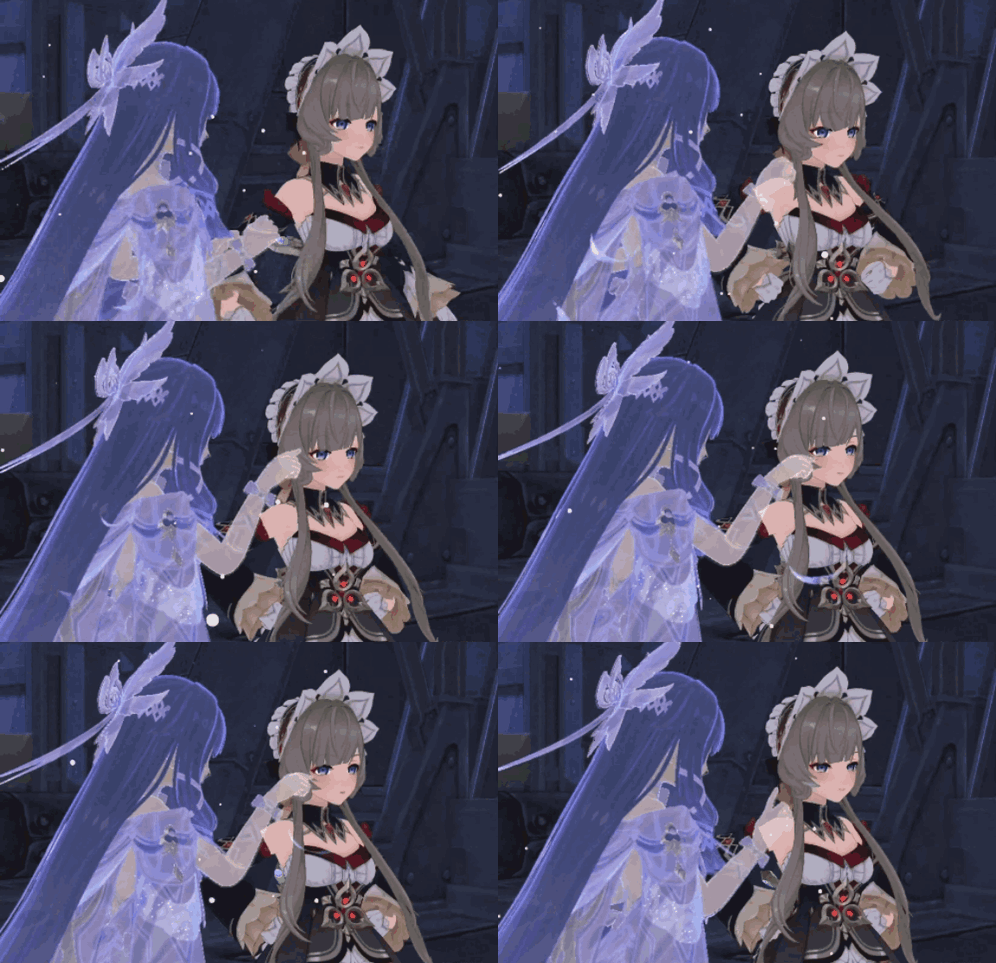
Every "outdated" detail is really a preserved one and locked in at the exact moment Alain Guillotin decided his sister's memory was worth keeping. Sandrone isn't behind the times. She is the time she came from, wound up and set walking.
She's a memory in a dress, and the dress has never gone out of style because it was never allowed to.
Thanks for reading all the way through. It genuinely means a lot  If you enjoy this kind of analysis, I write about other Genshin characters too. There's more in this collection